aip diet pdf
What is the AIP Diet?
The AIP diet is a therapeutic strategy for autoimmune conditions‚ aiming to reduce inflammation by eliminating potential triggers and prioritizing nutrient-rich foods.
It’s a restrictive elimination diet designed to decrease symptoms in autoimmune disorders‚ where the immune system mistakenly attacks the body’s own tissues.
More individuals are exploring the AIP diet to combat inflammation‚ seeking ways to improve their quality of life and manage autoimmune disease symptoms effectively.
Understanding Autoimmune Diseases & Inflammation

Autoimmune diseases represent a complex group of conditions where the body’s immune system‚ normally designed to defend against foreign invaders‚ mistakenly attacks its own healthy tissues. This misdirected immune response leads to chronic inflammation‚ a key characteristic of these diseases‚ and a wide range of symptoms depending on the specific condition.
Inflammation‚ while a natural part of the healing process‚ becomes detrimental when it’s persistent and unregulated. In autoimmune diseases‚ this chronic inflammation contributes significantly to tissue damage and organ dysfunction. Understanding the intricate link between autoimmune responses and inflammation is crucial for developing effective management strategies.
The Autoimmune Protocol (AIP) diet directly addresses this connection. It’s founded on the premise that certain foods can exacerbate inflammation and trigger autoimmune flares. By temporarily removing these potentially problematic foods‚ the AIP diet aims to calm the immune system‚ reduce inflammation‚ and allow the gut to heal – a critical step in managing autoimmune conditions. The diet isn’t a cure‚ but a tool to help regain control and improve overall well-being.
The Core Principles of the AIP Diet
The AIP diet centers around two primary phases: elimination and reintroduction. The initial elimination phase focuses on removing foods commonly linked to inflammation and autoimmune reactivity. This isn’t simply about avoiding allergens; it’s about reducing the overall immune load and allowing the gut to heal.
Key principles include prioritizing nutrient-dense foods – those packed with vitamins‚ minerals‚ and antioxidants – to support immune function and cellular repair. Emphasis is placed on consuming high-quality proteins‚ healthy fats‚ and a wide variety of colorful vegetables. The diet also encourages lifestyle factors that support gut health and reduce stress‚ recognizing the gut-brain connection.
The reintroduction phase is equally vital. It’s a systematic process of carefully reintroducing eliminated foods‚ one at a time‚ to identify individual triggers. This phase requires diligent observation of symptoms to determine tolerance levels. The AIP diet isn’t intended to be a lifelong restriction‚ but a personalized approach to long-term health.
Phase 1: Elimination – What to Remove
Phase one involves removing foods potentially triggering inflammation and autoimmune responses. This strict elimination period aims to calm the immune system and promote gut healing.
Foods to Eliminate – A Comprehensive List
Embarking on the AIP diet’s elimination phase requires diligent removal of numerous food groups to identify potential triggers. This initial step is crucial for reducing inflammation and allowing the body to begin healing. A comprehensive understanding of what to exclude is paramount for success.
Grains‚ in all forms – including wheat‚ rice‚ corn‚ oats‚ and barley – must be completely avoided. Similarly‚ legumes like beans‚ lentils‚ peanuts‚ and soy are off-limits due to their potential to disrupt gut health. Nightshades‚ encompassing tomatoes‚ peppers‚ eggplant‚ and potatoes‚ are also removed as they contain compounds that can exacerbate inflammation.
Dairy products‚ regardless of form (milk‚ cheese‚ yogurt‚ butter)‚ are strictly prohibited. Eggs‚ another common allergen‚ are also eliminated. Nuts and seeds‚ while often considered healthy‚ can be inflammatory for some individuals with autoimmune conditions. Furthermore‚ all processed foods and additives‚ including refined sugars‚ artificial sweeteners‚ and preservatives‚ must be removed. Finally‚ alcohol and coffee are excluded due to their potential to disrupt the nervous system and contribute to inflammation.
Grains (All Types)
The complete elimination of grains is a cornerstone of the AIP diet’s initial phase. This isn’t merely about avoiding wheat; it encompasses all grains‚ regardless of their perceived health benefits. This includes rice – both white and brown – corn‚ oats‚ barley‚ rye‚ spelt‚ quinoa‚ amaranth‚ and even seemingly innocuous options like millet and buckwheat.
Grains contain lectins‚ proteins that can bind to the gut lining and contribute to inflammation‚ potentially triggering autoimmune responses. They also often contribute to gut permeability‚ often referred to as “leaky gut‚” further exacerbating systemic inflammation. Removing them allows the gut to heal and reduces the immune system’s burden.
This restriction extends beyond whole grains to include all grain-derived products. This means no bread‚ pasta‚ cereal‚ crackers‚ or even seemingly hidden sources like malt‚ brewers yeast‚ and many processed food ingredients. Careful label reading is essential to ensure complete avoidance during the elimination phase of the AIP protocol.
Legumes (Beans‚ Lentils‚ Peanuts)
Legumes‚ encompassing beans‚ lentils‚ and peanuts‚ are strictly prohibited during the AIP diet’s elimination phase. While often considered healthy‚ they contain compounds that can exacerbate autoimmune conditions and hinder gut healing. This restriction is crucial for reducing inflammation and assessing individual tolerance.
Legumes are rich in phytates and saponins‚ anti-nutrients that can interfere with nutrient absorption and contribute to gut irritation. Saponins‚ in particular‚ can increase intestinal permeability‚ potentially triggering immune responses. Peanuts‚ despite being legumes and often treated as nuts‚ share these problematic compounds.
Complete avoidance means scrutinizing ingredient lists for hidden legume derivatives. This includes soy (often found in processed foods)‚ peanut oil‚ and even some natural flavorings. The goal is to give the digestive system a complete break from these potentially inflammatory foods‚ allowing for assessment during the reintroduction phase.
Nightshades (Tomatoes‚ Peppers‚ Eggplant‚ Potatoes)
Nightshades – tomatoes‚ peppers (including paprika and chili powder)‚ eggplant‚ and potatoes – are a significant exclusion in the AIP diet’s initial phase. These vegetables contain alkaloids‚ compounds believed to potentially trigger inflammation and worsen autoimmune symptoms in susceptible individuals. This isn’t an allergy‚ but a reactivity concern.
Alkaloids like solanine can disrupt digestive function and contribute to joint pain‚ skin issues‚ and other autoimmune flares. While not everyone reacts to nightshades‚ their removal allows for a period of gut healing and symptom reduction‚ providing a baseline for reintroduction testing.
Strict avoidance requires careful label reading‚ as nightshade derivatives are common in sauces‚ seasonings‚ and processed foods. This includes avoiding white potatoes‚ opting instead for sweet potatoes or other root vegetables. The elimination phase aims to identify individual sensitivity to these compounds‚ paving the way for a personalized dietary approach.
Dairy (All Forms)
Dairy products‚ in all their forms – milk‚ cheese‚ yogurt‚ butter‚ and even casein or whey protein – are strictly prohibited during the AIP diet’s elimination phase. This is due to several factors contributing to potential inflammation and immune reactivity. Dairy contains lactose‚ a sugar many individuals struggle to digest‚ and casein‚ a protein known to be a common allergen.
Dairy proteins can mimic other molecules in the body‚ triggering an immune response and exacerbating autoimmune conditions. Furthermore‚ conventional dairy farming practices often involve hormones and antibiotics‚ which can disrupt gut health and contribute to inflammation. Removing dairy allows the gut lining to heal and reduces potential immune system activation.
Finding dairy-free alternatives is crucial‚ utilizing options like coconut milk‚ avocado oil‚ or ghee (once reintroduced‚ for some) to replace dairy in recipes. Careful label reading is essential‚ as dairy ingredients are often hidden in processed foods.
Eggs
Eggs are a common trigger food for many individuals with autoimmune conditions‚ and are therefore completely eliminated during the initial phase of the AIP diet. This restriction applies to all forms of eggs – whole eggs‚ egg whites‚ and even hidden egg ingredients found in baked goods and processed foods.
Egg proteins‚ particularly ovalbumin‚ can contribute to intestinal permeability (leaky gut) and trigger immune responses. The yolk‚ while nutrient-dense‚ also contains compounds that may exacerbate inflammation in sensitive individuals. Removing eggs allows the gut to heal and reduces potential immune system reactivity.
Finding suitable egg replacements requires creativity. Applesauce‚ mashed banana‚ or flaxseed meal mixed with water can often substitute for eggs in baking. Careful label scrutiny is vital‚ as eggs are frequently used as binders or emulsifiers in various products. Reintroduction of eggs‚ if attempted‚ should be done cautiously and methodically.
Nuts & Seeds
Nuts and seeds are excluded during the elimination phase of the AIP diet due to their potential to trigger inflammation and immune responses. This is primarily attributed to their lectin content‚ phytic acid‚ and the possibility of cross-reactivity with other foods. These compounds can compromise gut health and contribute to autoimmune flare-ups.
While often considered healthy fats‚ nuts and seeds contain compounds that can be problematic for individuals with compromised digestive systems. Phytic acid‚ for example‚ can inhibit nutrient absorption. Lectins can bind to the gut lining‚ potentially increasing intestinal permeability.
Finding alternatives requires mindful choices. Coconut products (coconut milk‚ coconut oil) are generally permitted on AIP‚ providing a source of healthy fats. During reintroduction‚ each nut and seed should be tested individually to assess tolerance. Careful monitoring of symptoms is crucial throughout the process‚ as reactions can vary significantly.
Processed Foods & Additives
The AIP diet strictly prohibits processed foods and artificial additives during the elimination phase. This is because these items often contain ingredients known to exacerbate inflammation and disrupt gut health – key factors in autoimmune conditions. Common culprits include refined sugars‚ artificial sweeteners‚ emulsifiers‚ and preservatives.
Processed foods frequently lack the nutrient density required to support healing and immune regulation. They can also contribute to intestinal permeability‚ allowing undigested food particles to enter the bloodstream and trigger immune responses. Additives‚ even seemingly harmless ones‚ can act as irritants.
Focusing on whole‚ unprocessed foods is paramount. This means preparing meals from scratch using fresh ingredients. Reading labels meticulously is essential to avoid hidden additives. The goal is to nourish the body with real‚ nutrient-rich foods and minimize exposure to potentially harmful substances‚ supporting the body’s natural healing processes.
Alcohol & Coffee
Both alcohol and coffee are excluded during the initial elimination phase of the AIP diet due to their potential to disrupt gut health and exacerbate inflammation. Coffee‚ a stimulant‚ can negatively impact adrenal function and contribute to stress‚ hindering the body’s healing process. Alcohol‚ even in moderate amounts‚ can irritate the gut lining and promote inflammation.
These substances can also interfere with sleep quality‚ which is crucial for immune regulation and overall health. The AIP diet prioritizes restoring gut integrity and reducing systemic inflammation‚ and both alcohol and coffee can actively work against these goals. Avoiding them allows the body to focus on healing.
Reintroduction of these items‚ if desired‚ occurs during Phase 2‚ carefully monitored for any adverse reactions. The AIP diet emphasizes a cautious and individualized approach to dietary changes‚ prioritizing long-term health and well-being over immediate gratification.
Phase 2: Reintroduction – Testing Tolerance
Phase 2 involves systematically reintroducing eliminated foods‚ one at a time‚ to identify individual triggers and assess tolerance levels for long-term dietary planning.
The Reintroduction Process – A Step-by-Step Guide
Step 1: Choose a Food Group. Begin with a single food group – like a specific nightshade vegetable – and select one item within that group‚ such as a tomato.
Introduce only that one food. Consume a moderate portion for three consecutive days‚ observing for any reactions.
Step 3: Careful Observation. Monitor your body closely for symptoms. Keep a detailed log (see next section) noting any changes in digestion‚ skin‚ energy levels‚ mood‚ or pain.
Step 4: No Reactions? If no symptoms appear after three days‚ the food is likely well-tolerated. You can move on to introducing another food group.
Step 5: Reaction Occurs? If you experience symptoms‚ immediately remove the food from your diet and wait until symptoms subside completely before testing another food.
Step 6: Document Everything. Record the food‚ the amount consumed‚ and any reactions experienced. This detailed record is crucial for understanding your individual sensitivities.
Step 7: Patience is Key. Reintroduction is a slow process. Don’t rush it! Allow ample time between introductions to accurately assess your body’s response.
How to Log and Monitor Reactions
Detailed Logging is Essential: Maintaining a comprehensive journal is paramount during reintroduction. Record the date‚ time‚ and specific food introduced‚ including the quantity consumed.
Symptom Tracking: Note all potential reactions‚ even seemingly minor ones. Include digestive issues (bloating‚ gas‚ changes in bowel movements)‚ skin changes (rashes‚ eczema)‚ neurological symptoms (headaches‚ brain fog)‚ and mood fluctuations.
Severity Scale: Use a numerical scale (e.g.‚ 1-5‚ with 1 being mild and 5 being severe) to rate the intensity of each symptom. This provides quantifiable data.
Timeframe Recording: Document when symptoms began in relation to food consumption. Note how long they lasted and if they resolved after eliminating the food.
Holistic View: Consider factors beyond food‚ such as stress levels‚ sleep quality‚ and physical activity‚ as these can influence reactions.
Digital or Paper: Choose a method that suits you – a dedicated notebook‚ a spreadsheet‚ or a specialized AIP tracking app. Consistency is key.
Regular Review: Periodically review your log to identify patterns and potential trigger foods.
Common Reintroduction Symptoms to Watch For
Digestive Distress: Be alert for bloating‚ gas‚ diarrhea‚ constipation‚ or changes in stool consistency. These are often early indicators of intolerance.
Skin Reactions: Monitor for rashes‚ hives‚ eczema flare-ups‚ itching‚ or increased acne. Skin is a common site for autoimmune reactions.
Neurological Symptoms: Pay attention to headaches‚ migraines‚ brain fog‚ difficulty concentrating‚ or changes in sleep patterns.
Mood Disturbances: Note any irritability‚ anxiety‚ depression‚ or mood swings that occur after reintroducing a food.
Joint Pain: Increased joint pain‚ stiffness‚ or swelling can signal an inflammatory response.
Fatigue: Unexplained fatigue or increased tiredness after eating a reintroduced food is a potential red flag;
Other Symptoms: Consider heart palpitations‚ changes in energy levels‚ or any other unusual physical sensations.
Delayed Reactions: Symptoms may not appear immediately; they can sometimes be delayed by 24-72 hours‚ making logging crucial.
Allowed Vegetables & Fruits
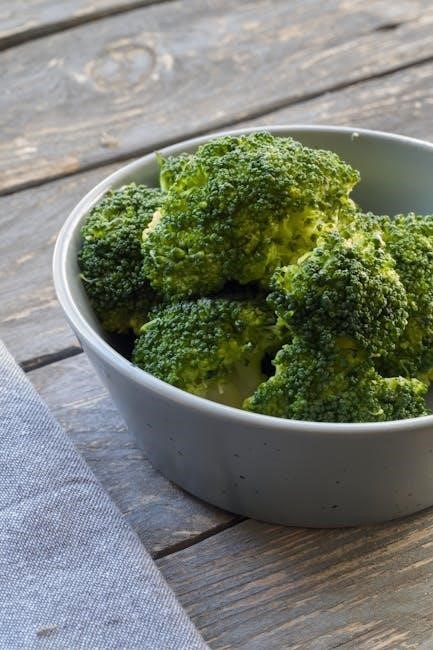
Non-Starchy Vegetables: A wide variety of non-starchy vegetables form the foundation of the AIP diet. Enjoy leafy greens like spinach and kale‚ broccoli‚ cauliflower‚ asparagus‚ carrots‚ and cucumbers.
Root Vegetables (in moderation): Sweet potatoes‚ yams‚ parsnips‚ and turnips are permitted‚ offering valuable nutrients. Be mindful of portion sizes due to their carbohydrate content.

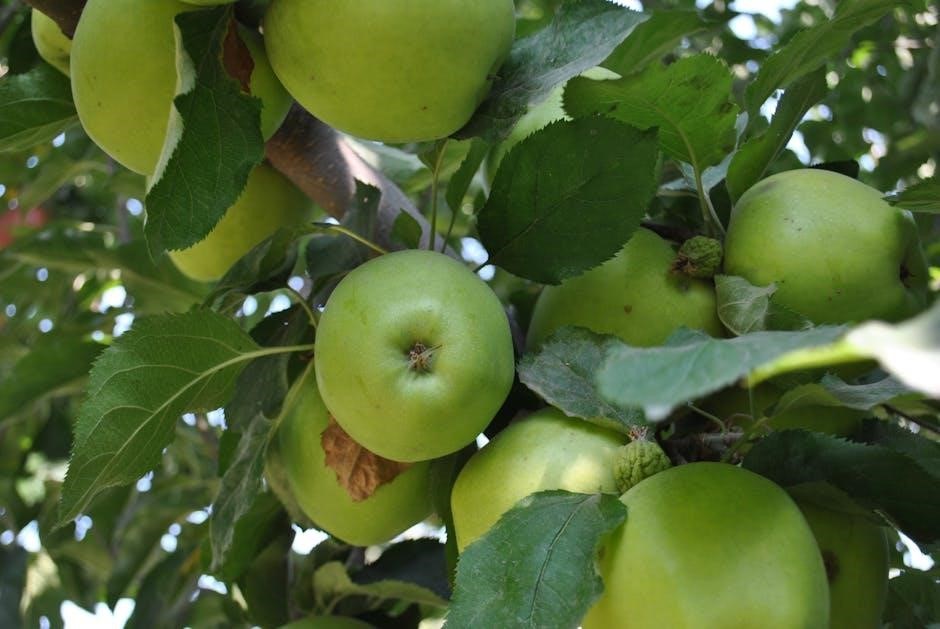
Fruits (limited quantities): Most fruits are allowed in moderation‚ prioritizing those lower in fructose. Berries (blueberries‚ raspberries‚ strawberries) are excellent choices.
Other Fruits: Apples‚ pears‚ peaches‚ and bananas can be included‚ but monitor for any individual sensitivities. Avoid large quantities of high-fructose fruits.
Focus on Variety: Incorporate a colorful array of fruits and vegetables to ensure a broad spectrum of vitamins‚ minerals‚ and antioxidants.
Organic When Possible: Opting for organic produce minimizes exposure to pesticides and herbicides‚ supporting overall health.
Healthy Fats & Oils
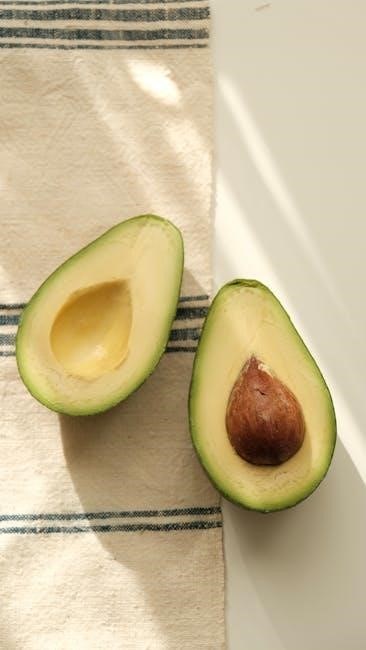
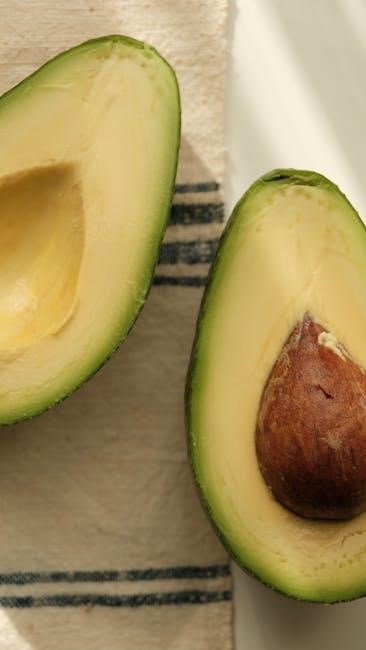
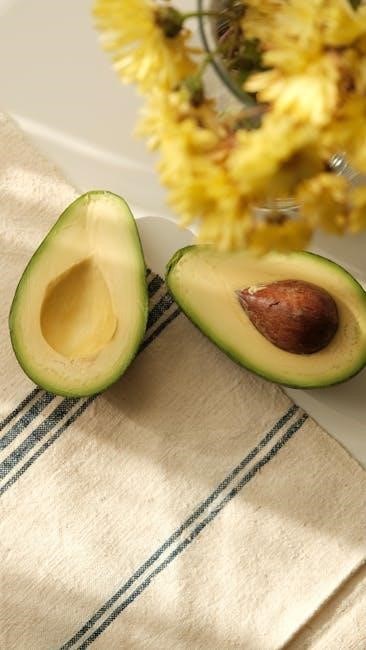
Avocado & Avocado Oil: A cornerstone of the AIP diet‚ avocados provide monounsaturated fats‚ fiber‚ and essential nutrients. Avocado oil is excellent for cooking at moderate temperatures.
Olive Oil (Extra Virgin): Choose high-quality‚ extra virgin olive oil for salad dressings and low-heat cooking. It’s rich in antioxidants and anti-inflammatory compounds.
Coconut Oil: A saturated fat that’s generally well-tolerated on AIP. Use it for cooking‚ baking‚ and skincare. Opt for unrefined coconut oil.
Animal Fats (from pastured animals): Lard‚ tallow‚ and duck fat are permissible‚ providing valuable nutrients and supporting healthy hormone production.
Palm Oil (sustainable sources): If tolerated‚ sustainably sourced palm oil can be used for cooking. Ensure it’s from a responsible supplier.
Avoid Processed Oils: Steer clear of canola oil‚ soybean oil‚ corn oil‚ and other refined vegetable oils‚ as they are highly inflammatory.
Meat & Poultry (Quality Matters)
Prioritize Grass-Fed & Pasture-Raised: When following the AIP diet‚ the source of your meat and poultry is paramount. Opt for grass-fed beef‚ pasture-raised chicken‚ and wild-caught fish whenever possible.

Nutrient Density: These sources are richer in omega-3 fatty acids and other essential nutrients‚ contributing to reduced inflammation and improved overall health.
Organ Meats: Incorporate organ meats like liver‚ heart‚ and kidney into your diet. They are incredibly nutrient-dense and provide vital vitamins and minerals.
Avoid Processed Meats: Eliminate processed meats like bacon‚ sausage‚ deli meats‚ and hot dogs‚ as they often contain additives and inflammatory ingredients.
Focus on Whole Cuts: Choose whole cuts of meat and poultry over ground versions to minimize the risk of hidden ingredients or fillers.
Sustainable Sourcing: Support sustainable farming practices by choosing meat and poultry from local‚ ethical farms.
Fermented Foods (Gut Health)
Rebuilding the Gut Microbiome: Fermented foods are crucial for restoring gut health‚ a cornerstone of the AIP diet. Autoimmune conditions often involve gut dysbiosis‚ an imbalance of gut bacteria.
AIP-Compliant Options: During the reintroduction phase‚ cautiously introduce AIP-friendly fermented foods like coconut kefir‚ kombucha (check ingredients!)‚ and sauerkraut (made without vinegar).
Probiotic Power: These foods are rich in probiotics‚ beneficial bacteria that support digestion‚ nutrient absorption‚ and immune function.
Start Slowly: Begin with small portions to assess tolerance and monitor for any adverse reactions.
Homemade is Best: Consider making your own fermented foods to control ingredients and ensure AIP compliance.
Enhance Digestion: Fermented foods aid in breaking down food‚ reducing inflammation‚ and improving overall gut health‚ vital for managing autoimmune symptoms.
Resources for AIP Diet Success
Numerous resources‚ including AIP diet PDF guides and downloads‚ are available to support your journey. Online communities and compliant recipes offer valuable assistance.
Finding AIP-Compliant Recipes
Navigating the AIP diet requires a shift in culinary habits‚ demanding a focus on recipes specifically designed to exclude eliminated foods. Fortunately‚ a wealth of resources exists to help you discover delicious and compliant meals. Many websites and blogs are dedicated entirely to AIP cooking‚ offering a diverse range of options from breakfast to dessert.
AIP diet PDF recipe collections are particularly useful‚ providing a convenient and organized way to access numerous recipes in one place. These PDFs often categorize recipes by meal type or ingredient‚ making meal planning simpler. Searching online for “AIP recipe PDF” will yield a variety of downloadable resources.
Beyond PDFs‚ consider exploring dedicated AIP cookbooks‚ which often include detailed explanations of the diet and helpful cooking tips. Online communities and support groups frequently share recipes and meal ideas‚ fostering a collaborative environment for AIP cooking. Remember to always double-check ingredient lists to ensure full compliance with the AIP protocol‚ as recipes can vary.
AIP Diet PDF Guides & Downloads
Embarking on the AIP diet can feel overwhelming‚ but numerous downloadable PDF guides are available to streamline the process. These resources consolidate essential information‚ offering a convenient reference point throughout your AIP journey. Many PDFs detail the elimination and reintroduction phases‚ providing comprehensive lists of allowed and excluded foods.
Searching online for “AIP diet PDF” reveals a variety of options‚ ranging from quick-start guides to detailed protocol manuals. Look for PDFs created by reputable sources‚ such as registered dietitians or experienced AIP practitioners‚ to ensure accuracy and reliability. Some PDFs also include sample meal plans and shopping lists‚ further simplifying the initial stages.
Beyond basic guides‚ specialized PDFs focus on specific aspects of the AIP diet‚ like managing symptoms or adapting the protocol for different dietary needs. Utilizing these downloadable resources can significantly enhance your understanding and success with the AIP diet‚ providing clarity and support every step of the way.
Support Groups & Online Communities
Navigating the AIP diet is often easier with a supportive network‚ and numerous online communities and support groups cater specifically to individuals following this protocol. These platforms provide a space to share experiences‚ ask questions‚ and receive encouragement from others on a similar path.
Online forums and Facebook groups dedicated to the AIP diet are readily accessible‚ offering a wealth of information and peer support. Members often share AIP-compliant recipes‚ discuss challenges‚ and celebrate successes. These communities can be invaluable for staying motivated and overcoming obstacles.
Beyond general support‚ some groups focus on specific autoimmune conditions or dietary variations within the AIP framework. Connecting with others who understand your unique challenges can foster a sense of belonging and empower you to adhere to the protocol long-term. Utilizing these resources can significantly improve your AIP journey.