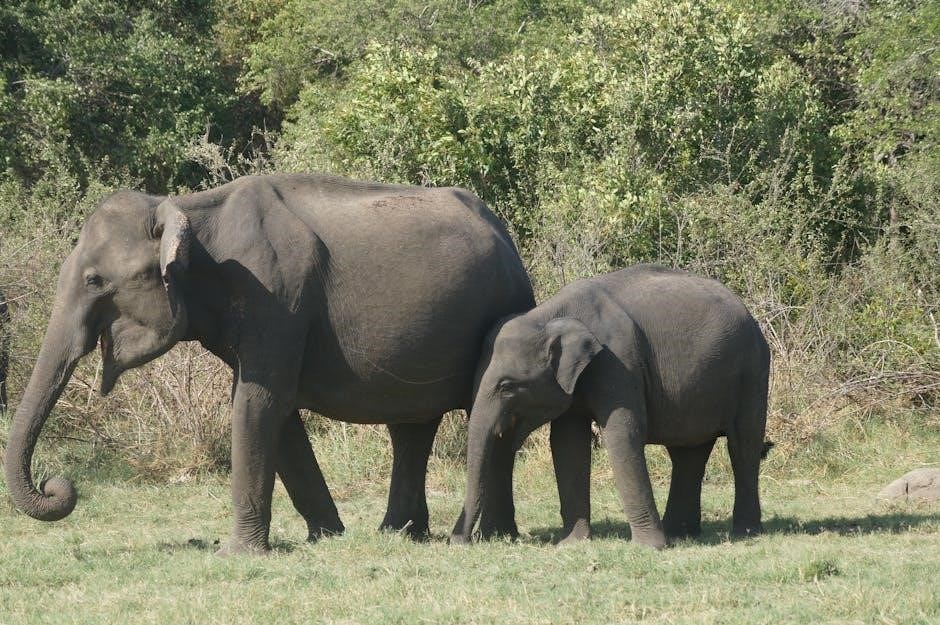
shooting the elephant pdf
Shooting an Elephant‚ by Orwell‚ delves into British colonialism in Burma‚ offering a potent narrative.
The readily available PDF version ensures accessibility for scholarly study and wider readership today.
Historical Context: British Colonial Burma
British colonial rule in Burma (now Myanmar) during the late 19th and early 20th centuries profoundly shaped the setting for Orwell’s narrative. Burma was annexed by Britain in stages throughout the 19th century‚ becoming a province of British India. This period was marked by economic exploitation‚ political subjugation‚ and simmering resentment among the Burmese population.
The PDF of “Shooting an Elephant” provides a window into this era‚ revealing the tensions inherent in a society defined by imperial power dynamics and the resulting anti-European sentiment experienced by Orwell himself.
George Orwell’s Background and Role
George Orwell‚ born Eric Arthur Blair‚ was a British novelist‚ essayist‚ journalist‚ and critic. His experiences as a police officer in Burma from 1926 to 1927 deeply influenced his political views and writing. He witnessed firsthand the injustices of imperialism‚ a theme central to “Shooting an Elephant.”
The accessible PDF version of the essay allows readers to connect Orwell’s personal experiences with his broader critique of power and control‚ understanding his role as a disillusioned participant in the colonial system.
The Incident: A Detailed Account
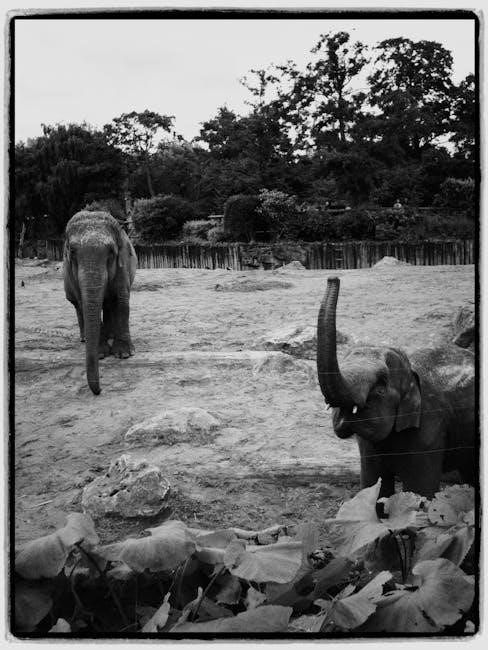
Orwell’s account details a chaotic event involving a rogue elephant; the PDF provides access to the full‚ unsettling narrative of this pivotal colonial experience.
The Call Regarding the Elephant
The narrative begins with a phone call informing Orwell of an elephant’s destructive rampage. A sub-inspector delivers the news‚ detailing the animal’s havoc within the town. This initial report‚ readily available within the accessible PDF version of “Shooting an Elephant‚” sets the stage for the unfolding crisis. The call immediately thrusts Orwell into a situation demanding immediate action‚ initiating a chain of events driven by both duty and the pressures of colonial expectation. The PDF allows readers to experience this pivotal moment firsthand.
Initial Reaction and Investigation
Orwell’s first response is one of annoyance‚ questioning the necessity of his involvement‚ a detail vividly captured in the widely circulated PDF. He arms himself with a rifle‚ embarking on a journey to assess the situation. The PDF reveals his initial intention isn’t to shoot‚ but to observe and potentially drive the elephant away. His investigation reveals the extent of the damage‚ fueling the growing pressure from the Burmese population‚ as documented within the accessible text.
The Elephant’s Rampage and Damage
The elephant‚ having broken loose‚ caused significant destruction‚ detailed within the easily found PDF version of Orwell’s essay. It overturned a fruit stall‚ trampled gardens‚ and generally wreaked havoc throughout the bazaar. The PDF highlights the escalating chaos and the growing anger of the local population‚ who expect swift action. Orwell’s account‚ readily available as a PDF‚ emphasizes the scale of the damage and the urgency of the situation.

The Pressure to Act
The growing crowd’s expectations‚ vividly described in the accessible PDF‚ forced Orwell into a difficult position. He felt compelled to act‚ despite his internal reservations.
The Gathering Crowd and Expectations
As detailed within the easily found PDF version of “Shooting an Elephant‚” a substantial crowd quickly amassed‚ observing Orwell’s every move. This Burmese audience‚ harboring anti-European sentiment‚ created immense pressure. They anticipated—and arguably expected—that he‚ as a representative of imperial authority‚ would take decisive action regarding the destructive elephant.
Orwell acutely felt their gaze‚ understanding that inaction would be interpreted as weakness‚ a loss of face for both himself and the Empire he served. The crowd’s silent judgment became a powerful‚ suffocating force‚ dictating the unfolding events.
The Internal Conflict: Duty vs. Morality
The PDF of “Shooting an Elephant” vividly portrays Orwell’s agonizing internal struggle. He recognized the elephant’s destruction wasn’t warranting of death‚ yet felt compelled to act due to his position. His moral objections clashed sharply with his perceived duty to uphold the expectations of the colonial power structure and the observing crowd.
This conflict highlights the corrosive impact of imperialism‚ forcing Orwell into a situation where he felt obligated to commit an act he personally opposed.
The Fear of Appearing Weak
Accessing the “Shooting an Elephant” PDF reveals Orwell’s profound anxiety about maintaining his authority. He feared being perceived as weak or ineffective by the Burmese population‚ who already resented European presence. The gathering crowd’s expectations amplified this fear‚ pushing him towards a decision he knew was wrong;
His actions weren’t driven by justice‚ but by a desperate need to avoid humiliation and uphold a facade of control.

Analyzing Orwell’s Motivations
The “Shooting an Elephant” PDF illuminates Orwell’s internal struggle; he acted not from conviction‚ but from the immense pressure of imperial authority and public expectation.
The Burden of Imperial Authority
The accessible “Shooting an Elephant” PDF reveals Orwell’s experience embodying the weight of imperial power. As a police officer‚ he felt compelled to act‚ despite recognizing the senselessness of shooting the elephant.
This stemmed from the expectation to uphold British authority‚ even when it conflicted with his personal morality. He wasn’t acting as an individual‚ but as a representative of the Empire‚ trapped by its demands and the gaze of the Burmese population. The narrative powerfully illustrates how imperialism corrupts even those who question it‚ forcing them into roles they despise.
The Psychological Impact of Colonialism
Analyzing the “Shooting an Elephant” PDF reveals the profound psychological toll colonialism exacted on both colonizer and colonized. Orwell details his internal conflict‚ highlighting the dehumanizing effect of constantly being perceived as an oppressor. This fostered a sense of guilt and alienation‚ even as he felt pressured to maintain a facade of dominance. The essay demonstrates how imperialism breeds resentment and erodes individual conscience‚ leaving lasting scars on all involved‚ a chilling testament to its destructive power.
The Role of Public Perception
The “Shooting an Elephant” PDF vividly illustrates how public perception dictated Orwell’s actions. He wasn’t compelled by a genuine need to shoot the elephant‚ but by the expectant gaze of the Burmese crowd. Fear of appearing weak or losing face within the colonial hierarchy drove him to act against his better judgment. This highlights the immense power dynamics at play‚ where maintaining authority superseded moral considerations‚ a stark portrayal of colonial control.
Themes Explored in the Essay
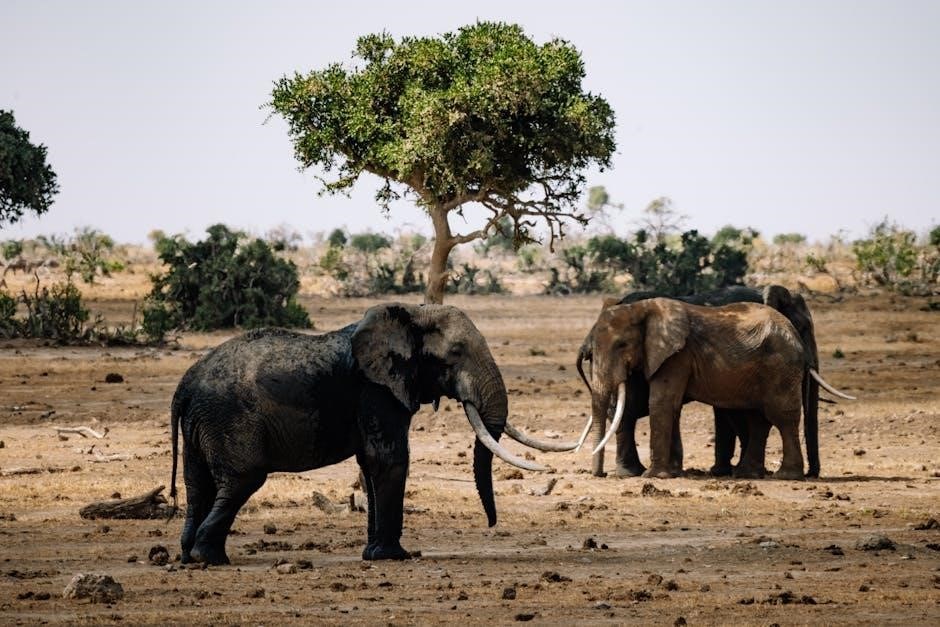
The “Shooting an Elephant” PDF explores imperialism’s damaging effects‚ power dynamics‚ and individual freedom’s loss. Orwell’s narrative reveals colonialism’s psychological toll on both ruler and ruled.
Imperialism and its Corrosive Effects
The accessible “Shooting an Elephant” PDF vividly portrays imperialism’s deeply damaging influence. Orwell demonstrates how colonial power corrupts not only the colonized but also the colonizer’s moral compass.
The essay reveals the psychological burden placed upon those enforcing oppressive rule‚ highlighting the inherent contradictions and anxieties within the imperial system. It exposes how maintaining control necessitates performing a role‚ sacrificing personal integrity for the sake of perceived authority‚ ultimately eroding one’s sense of self.
The Nature of Power and Control
Analyzing the “Shooting an Elephant” PDF reveals Orwell’s exploration of power’s paradoxical nature. He illustrates how authority‚ even when seemingly absolute‚ is often fragile and dependent on public perception. The pressure to maintain control‚ even in senseless acts‚ underscores the performative aspect of power. Orwell shows how the colonizer is as much a prisoner of the system as the colonized‚ trapped by expectations and the fear of losing face‚ demonstrating power’s isolating effect.
The Loss of Individual Freedom
The “Shooting an Elephant” PDF powerfully depicts the erosion of individual agency under oppressive systems. Orwell‚ as a police officer‚ feels compelled to act against his own moral compass due to the expectations of the Burmese crowd. This illustrates how imperialism stifles personal judgment and forces conformity. He loses the freedom to choose‚ becoming a puppet of circumstance‚ highlighting the devastating cost of colonial control on both the ruler and the ruled.

Symbolism within the Narrative
The “Shooting an Elephant” PDF reveals potent symbolism: the elephant embodies imperialism‚ the gun signifies authority‚ and the crowd represents oppressive societal forces.
The Elephant as a Symbol of Imperialism
Within the accessible “Shooting an Elephant” PDF‚ the majestic elephant transcends being merely an animal; it powerfully symbolizes the imposing‚ often destructive‚ force of imperialism itself. Like the British Empire‚ the elephant is large‚ foreign‚ and commands attention‚ yet its power is ultimately unsustainable.
Its rampage mirrors the disruptive impact of colonial rule on Burmese society. Orwell’s act of shooting it isn’t about the animal‚ but about dismantling a symbol of oppressive power‚ albeit reluctantly and under duress‚ highlighting the complex moral compromises inherent in colonial control.
The Gun as a Symbol of Authority
Examining the “Shooting an Elephant” PDF reveals the gun isn’t simply a tool‚ but a potent symbol of the authority Orwell‚ as a colonial police officer‚ is expected to wield. It represents the power dynamic imposed by the British Empire‚ a visible manifestation of control over the Burmese population.
However‚ Orwell feels burdened by this authority‚ recognizing its inherent injustice. The gun‚ therefore‚ becomes a symbol of his internal conflict – a forced participation in a system he despises‚ ultimately highlighting the corrosive effects of imperial power.
The Crowd as a Symbol of Oppression
Analyzing the “Shooting an Elephant” PDF‚ the Burmese crowd transcends mere spectators; they embody a subtle‚ yet powerful‚ form of oppression. Orwell feels intensely scrutinized by their gaze‚ a pressure that dictates his actions. This isn’t active rebellion‚ but a collective expectation forcing him to perform the role of the imperial master.
The crowd’s presence highlights the loss of individual agency under colonial rule‚ mirroring the broader subjugation of the Burmese people. They represent the weight of a system demanding conformity and reinforcing power imbalances.
Literary Devices and Style
Orwell’s masterful use of first-person narration‚ readily apparent in the “Shooting an Elephant” PDF‚ creates immediacy. Descriptive language and irony powerfully convey meaning.
Orwell’s Use of First-Person Narration
The power of “Shooting an Elephant‚” easily accessed in its PDF format‚ resides significantly in Orwell’s choice of first-person narration. This technique immerses the reader directly into the narrator’s internal conflict and observations. We experience Burma through his eyes‚ feeling his ambivalence and the weight of his position.
This intimate perspective isn’t simply a recounting of events; it’s a raw‚ honest portrayal of a man grappling with moral dilemmas within a corrupt system. The “I” voice fosters a sense of vulnerability‚ making Orwell’s critique of imperialism all the more compelling and relatable‚ even today when reading the PDF.
The Impact of Descriptive Language
Orwell’s masterful use of descriptive language in “Shooting an Elephant‚” readily available as a PDF‚ vividly portrays the atmosphere of colonial Burma. He doesn’t merely tell us about the setting; he shows us‚ employing sensory details that bring Moulmein to life. This immersive quality is crucial to understanding the psychological weight of the situation.
The detailed descriptions of the elephant‚ the crowd‚ and the oppressive heat contribute to the essay’s emotional impact. Even when reading the PDF version‚ the reader feels trapped alongside Orwell‚ experiencing the stifling pressure that ultimately leads to his tragic act.
Irony and its Role in Conveying Meaning
Irony is central to Orwell’s “Shooting an Elephant‚” easily accessed as a PDF‚ highlighting the absurdities of imperialism. He’s a police officer meant to uphold order‚ yet feels compelled to act against his own conscience due to the expectations of the Burmese people. This situational irony underscores the loss of individual agency.
The tragic shooting itself is deeply ironic – Orwell kills the elephant to avoid looking foolish‚ demonstrating how colonial power ironically diminishes the authority it seeks to project. Studying the PDF reveals layers of meaning through this potent device.

Critical Reception and Analysis
Initially‚ responses to “Shooting an Elephant” were varied; modern interpretations‚ readily found in the PDF‚ focus on its anti-imperialist message and enduring relevance.
Initial Responses to the Essay
Upon its publication‚ Orwell’s “Shooting an Elephant” garnered a spectrum of reactions‚ though detailed contemporary reviews are scarce. The essay’s power lay in its unsettling honesty‚ prompting debate about the ethics of empire. Accessing the readily available PDF version today allows researchers to examine the work’s immediate impact. Some critics acknowledged Orwell’s skillful portrayal of colonial anxieties‚ while others questioned his self-deprecating tone. The narrative’s nuanced critique of British rule didn’t immediately spark widespread controversy‚ but it steadily gained recognition as a powerful indictment of imperialism‚ resonating with a post-war audience questioning established power structures.
Modern Interpretations and Scholarly Debate
Contemporary scholarship consistently analyzes “Shooting an Elephant” through postcolonial lenses‚ examining power dynamics and psychological impact. The easily accessible PDF facilitates this ongoing debate. Critics explore Orwell’s internal conflict‚ questioning whether he’s a victim or complicit in imperial violence. Discussions center on the essay’s ambiguity and its effectiveness as political critique. Some argue it reinforces colonial stereotypes‚ while others praise its honest depiction of moral compromise. The work remains a cornerstone in discussions of imperialism‚ prompting continued re-evaluation and diverse interpretations.
The Essay’s Relevance Today
“Shooting an Elephant” retains striking relevance‚ resonating with contemporary concerns about power‚ authority‚ and social justice. The readily available PDF ensures continued access for new generations. Orwell’s exploration of systemic oppression mirrors modern struggles against various forms of injustice. The essay prompts reflection on the pressures to conform and the consequences of unchecked power. Its themes of moral compromise and the burden of responsibility remain universally applicable‚ fostering critical thinking about contemporary political landscapes and individual agency.
“Shooting an Elephant” as a Political Statement
Orwell’s essay is a stark anti-imperialist critique‚ exposing the hypocrisy of British rule. The accessible PDF amplifies this message for modern audiences globally.
Orwell’s Anti-Imperialist Stance
Through “Shooting an Elephant‚” Orwell vehemently rejects imperial power‚ portraying its moral compromises and psychological toll. He doesn’t celebrate empire; instead‚ he dissects its inherent flaws and the burdens it places upon both colonizer and colonized. The widely circulated PDF version of the essay ensures Orwell’s potent critique remains accessible‚ fostering continued dialogue about the damaging legacy of colonialism. It’s a powerful indictment‚ readily available for study and reflection‚ solidifying his position as a key anti-imperialist voice.
The Essay’s Critique of British Rule
Orwell’s “Shooting an Elephant” offers a searing critique of British rule in Burma‚ exposing its absurdity and cruelty. He illustrates how the system forces individuals into compromising positions‚ sacrificing personal integrity to maintain control. The easily accessible PDF format allows widespread examination of this condemnation. Orwell doesn’t simply oppose British policy; he reveals the psychological damage inflicted upon those enforcing it‚ highlighting the moral bankruptcy of empire;
The Broader Implications for Colonialism
“Shooting an Elephant‚” readily available as a PDF‚ transcends its specific Burmese context‚ offering a universal indictment of colonialism. Orwell demonstrates how imperial power corrupts not only the colonized but also the colonizer‚ fostering a climate of fear and resentment. The essay reveals the inherent instability of systems built on domination‚ suggesting their eventual collapse. It’s a potent warning about the human cost of political control and exploitation.

The PDF Version and Accessibility
The “Shooting an Elephant” PDF is widely accessible online via resources like the Internet Archive‚ ensuring preservation and broad readership for this impactful essay.
Availability of the Text Online
Shooting an Elephant enjoys extensive online availability‚ notably through the Internet Archive‚ which diligently preserves digital copies for public access. Multiple PDF versions exist‚ facilitating easy download and reading.
Searchable metadata and text contents are available‚ enhancing research capabilities.
The essay’s presence on platforms like these ensures its enduring accessibility‚ allowing students‚ scholars‚ and general readers to engage with Orwell’s powerful critique of imperialism without barriers; Preservation efforts guarantee future access.
The Internet Archive and Preservation Efforts
The Internet Archive plays a crucial role in safeguarding “Shooting an Elephant‚” offering a digitized PDF alongside various formats. Their mission to record and preserve governmental websites‚ news‚ and historical documents extends to literary works like Orwell’s essay. This ensures long-term accessibility‚ preventing loss or degradation of the text. Advanced search features aid discovery‚ while embedding details support wider dissemination and scholarly use‚ bolstering preservation efforts.
Formats and Accessibility Options
“Shooting an Elephant” is widely available online‚ notably as a downloadable PDF through platforms like the Internet Archive. Beyond PDF‚ the essay exists in EPUB format‚ catering to diverse reading preferences. The Internet Archive’s advanced embedding features enhance accessibility‚ allowing integration into various websites. These options ensure the essay reaches a broad audience‚ accommodating different devices and reading needs‚ promoting wider engagement with Orwell’s impactful work.

Connections to Orwell’s Other Works
Shooting an Elephant’s critique of power resonates throughout Orwell’s oeuvre‚ mirroring themes explored in Animal Farm and 1984‚ readily found as a PDF.
Orwell’s Consistent Critique of Power
Orwell consistently challenged oppressive systems‚ and “Shooting an Elephant” exemplifies this through its depiction of imperial control; The PDF version allows easy access to this powerful critique. He dissects how power corrupts‚ not just the overtly powerful‚ but also those complicit within the system. This theme echoes in Animal Farm’s portrayal of totalitarianism and 1984’s surveillance state. Orwell’s work‚ including this essay available as a PDF‚ demonstrates a lifelong dedication to exposing abuses of authority and defending individual liberty against overwhelming forces.
The Evolution of Orwell’s Political Thought
Initially a democratic socialist‚ Orwell’s experiences‚ vividly captured in the accessible PDF of “Shooting an Elephant‚” shaped his anti-totalitarian views. Witnessing imperialism firsthand fueled his skepticism of unchecked power. This essay‚ easily found as a PDF‚ marks a crucial step towards his later‚ more defined anti-authoritarian stance. His thought evolved from embracing socialism to fiercely opposing all forms of oppression‚ a trajectory evident throughout his prolific writing and readily available works.
The Essay’s Enduring Legacy
The impactful essay‚ widely available as a PDF‚ remains relevant in political discourse. Its exploration of power and injustice continues to resonate with readers today.
Its Place in English Literature
Shooting an Elephant firmly occupies a significant position within English literature‚ celebrated for its masterful blend of personal narrative and incisive political commentary. The essay’s accessibility‚ particularly through readily available PDF formats online via resources like the Internet Archive‚ has broadened its readership and cemented its influence. Orwell’s concise yet powerful prose continues to be studied in academic settings‚ influencing generations of writers and thinkers. It’s a cornerstone text for understanding 20th-century literature and colonial critique.
Its Continued Relevance in Political Discourse
Even today‚ Orwell’s Shooting an Elephant resonates deeply within political discourse‚ prompting critical examination of power dynamics and imperialism. The easily accessible PDF version facilitates ongoing engagement with its themes. Its exploration of the psychological toll of oppression and the pressures of authority remains strikingly relevant in contemporary contexts. The essay serves as a potent reminder of the dangers of unchecked power and the importance of individual conscience‚ sparking vital conversations globally.
The Power of Personal Narrative in Exposing Injustice
Orwell’s masterful use of first-person narration in Shooting an Elephant powerfully exposes the injustices of colonialism. The readily available PDF allows widespread access to this impactful story. By detailing his internal conflict‚ Orwell reveals the corrosive effects of imperial rule on both the oppressed and the oppressor. This personal account transcends historical context‚ demonstrating how individual experiences can illuminate systemic flaws and inspire calls for justice.

Further Research and Resources
Explore academic articles‚ books‚ and online resources regarding Orwell’s work. The PDF version is accessible via the Internet Archive for deeper study.
Academic Articles and Books
Numerous scholarly analyses dissect Orwell’s “Shooting an Elephant‚” readily available through academic databases like JSTOR and Project MUSE. Books offering critical perspectives include collections of Orwell’s essays and dedicated studies of his political thought.
Researchers often utilize the easily accessible PDF version‚ found on platforms like the Internet Archive‚ for close textual examination. These resources explore themes of imperialism‚ power dynamics‚ and the psychological toll of colonialism‚ providing a comprehensive understanding of the essay’s enduring significance.
Online Resources and Websites
Several websites provide access to Orwell’s “Shooting an Elephant‚” including the Internet Archive‚ offering a preserved PDF version for convenient study. Websites dedicated to literary analysis‚ like SparkNotes and CliffsNotes‚ offer summaries and critical commentary.
Additionally‚ Project Gutenberg provides free ebooks‚ and various university websites host course materials related to the essay‚ fostering deeper engagement with its themes and historical context.
Documentaries and Films Related to Colonial Burma
While direct film adaptations of “Shooting an Elephant” are rare‚ documentaries exploring British Colonial Burma offer crucial context. Resources detailing the history of Burma‚ often available online‚ enhance understanding of Orwell’s experiences. Searching for documentaries on the British Empire and its impact on Southeast Asia can provide valuable background. Accessing the PDF of the essay alongside these visual resources enriches comprehension.