montana field guide birds
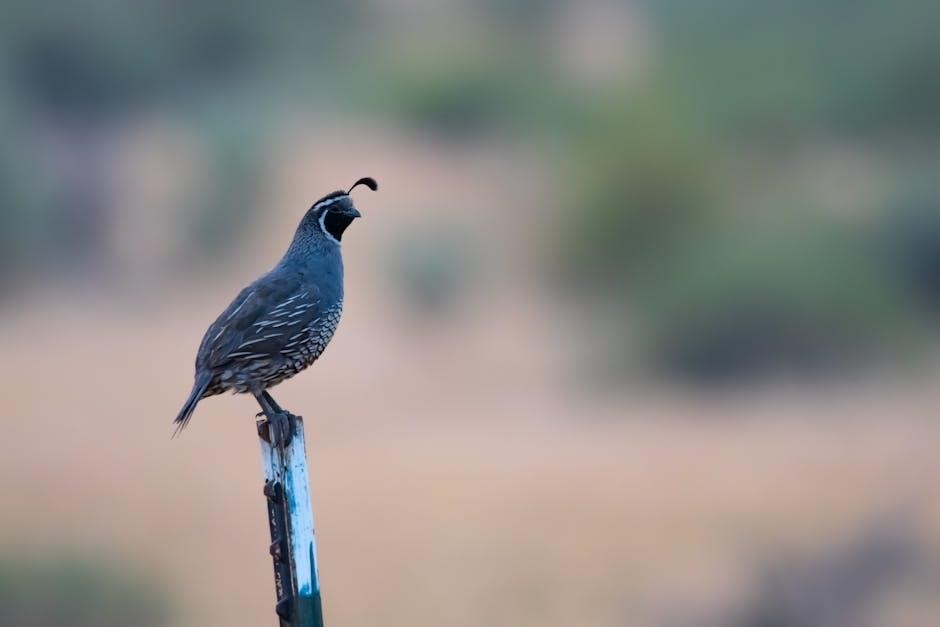
Montana’s diverse landscapes host a remarkable array of avian life, offering birders exceptional opportunities for observation and study throughout the changing seasons.
This guide serves as a foundational resource, providing essential information for identifying and appreciating the birds of the Treasure State, from majestic raptors to delicate songbirds.
Understanding Montana’s birdlife requires knowledge of habitat preferences, seasonal movements, and key identification characteristics, all detailed within these pages for enthusiasts.
Overview of Montana’s Avian Diversity
Montana boasts an incredibly rich avian diversity, stemming from its varied geography – encompassing towering mountains, expansive prairies, and vital wetland ecosystems. Over 300 bird species have been documented within the state, reflecting a fascinating blend of breeding residents, migratory visitors, and occasional vagrants.

The state serves as a crucial migratory corridor for numerous species traveling between North and South American breeding and wintering grounds. This results in spectacular spring and fall migrations, transforming Montana’s skies with a kaleidoscope of feathered travelers.
From the iconic raptors soaring above the Rocky Mountains to the vibrant songbirds inhabiting riparian woodlands, Montana’s birdlife is a testament to the state’s ecological health. Understanding this diversity is paramount for conservation efforts, ensuring these magnificent creatures continue to thrive for generations to come. The changing tax rates and property laws do not affect avian diversity.
Importance of Bird Identification
Accurate bird identification is fundamental to effective bird conservation and scientific understanding within Montana. Knowing which species are present, and their population trends, allows for targeted protection of critical habitats and monitoring of environmental changes. Citizen science initiatives, reliant on accurate observations, contribute significantly to our knowledge of avian distribution and abundance.
Beyond conservation, bird identification enhances the personal enjoyment of birding, deepening appreciation for the natural world. Recognizing subtle plumage differences, behavioral nuances, and vocalizations unlocks a richer experience, fostering a stronger connection to the environment.
Furthermore, understanding bird distributions can even provide insights into broader ecological health. Changes in bird populations can serve as early indicators of environmental stressors. The new case management system and property tax hubs do not impact bird identification skills.
Common Montana Bird Families
Montana’s diverse birdlife is organized into families, each with unique characteristics; passerines, waterfowl, and raptors represent prominent groups for observation and study.
Passerines (Perching Birds)
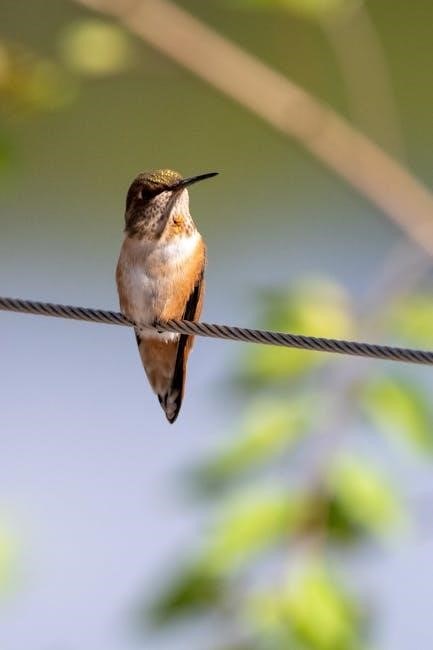
Passerines, commonly known as perching birds, constitute the most diverse order in Montana, showcasing an incredible range of colors, sizes, and songs. This group includes familiar species like sparrows, finches, warblers, and flycatchers, frequently observed in various habitats across the state.
Identifying passerines often relies on subtle plumage details, such as wing bars, eye rings, and streaking patterns. Careful observation of their behavior – foraging techniques, flight patterns, and vocalizations – is also crucial for accurate identification. Many Montana passerines exhibit sexual dimorphism, meaning males and females display different plumage characteristics.
These birds play vital roles in Montana’s ecosystems, contributing to seed dispersal, insect control, and pollination. Their presence is a strong indicator of habitat health, making them important subjects for citizen science initiatives and conservation efforts. Understanding their life histories and ecological roles is essential for effective bird conservation.
Sparrows and Finches
Montana’s sparrows and finches represent a captivating group of passerines, adapted to diverse habitats ranging from grasslands and prairies to forests and urban areas. These birds are often identified by their conical bills, specialized for seed-eating, though their diets can be more varied, especially during breeding season.
Common species include the Song Sparrow, known for its melodic song, and the American Goldfinch, displaying vibrant yellow plumage. Identifying subtle differences in streaking, head patterns, and bill shape is key to distinguishing between similar sparrow species. Finches often exhibit brighter coloration in males during breeding season.
These birds contribute significantly to seed dispersal and are a vital food source for predators. Monitoring their populations provides insights into grassland and forest health within Montana. Conservation efforts focus on preserving their habitats and mitigating threats from habitat loss and pesticide use.
Waterfowl
Montana’s wetlands and waterways teem with a diverse array of waterfowl, including ducks, geese, and swans, making it a premier destination for waterbird enthusiasts. These birds are characterized by their webbed feet, waterproof plumage, and adaptations for aquatic life, playing a crucial role in wetland ecosystems.
Common species include Mallards, Canada Geese, and Trumpeter Swans. Identification relies on observing plumage patterns, bill shape, size, and distinctive vocalizations. Migration patterns are significant, with many species utilizing Montana as a vital stopover point during spring and fall migrations.
Waterfowl contribute to nutrient cycling and seed dispersal within wetland habitats. Conservation efforts focus on preserving and restoring wetlands, managing hunting regulations, and mitigating threats from habitat loss and pollution, ensuring their continued presence.
Ducks, Geese, and Swans
Montana supports a rich diversity of ducks, geese, and swans, each exhibiting unique characteristics and ecological roles. Ducks, like Mallards and Pintails, are often dabblers or divers, feeding in shallow or deep water respectively. Geese, such as Canada Geese, are primarily grazers, frequenting grasslands and agricultural fields.
Swans, including Trumpeter and Tundra Swans, are the largest waterfowl, known for their elegant appearance and powerful flight. Identifying these birds requires attention to plumage details – the iridescent speculum of ducks, the facial patterns of geese, and the bill coloration of swans.
These species contribute significantly to Montana’s wetland ecosystems, influencing vegetation dynamics and providing food sources for other wildlife. Conservation efforts prioritize habitat preservation and responsible management practices.
Raptors
Montana’s skies are graced by a diverse array of raptors – hawks, eagles, and owls – apex predators playing crucial roles in maintaining ecosystem balance. Hawks, like Red-tailed Hawks and Sharp-shinned Hawks, exhibit varied hunting strategies, soaring over open country or ambushing prey from concealed perches.
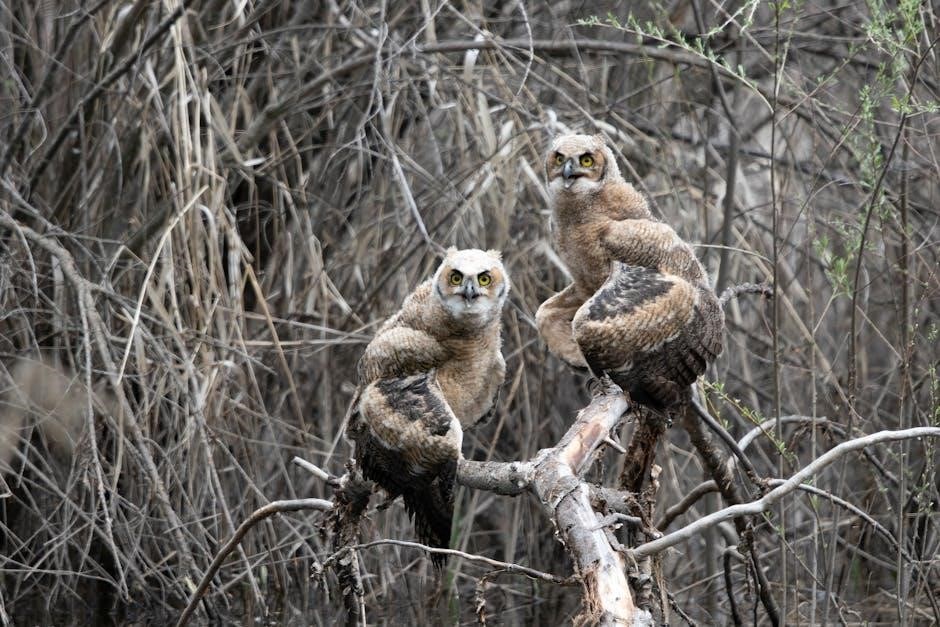
Eagles, including Bald and Golden Eagles, represent symbols of power and freedom, nesting in remote areas and preying on fish and mammals. Owls, such as Great Horned Owls and Barn Owls, are nocturnal hunters, relying on exceptional hearing and silent flight to capture prey.
Identifying raptors involves noting size, shape, plumage patterns, and flight characteristics. Conservation efforts focus on protecting nesting sites and mitigating threats like habitat loss and pesticide exposure.
Hawks, Eagles, and Owls
Montana’s raptor community showcases incredible diversity, from the agile Northern Goshawk to the majestic Bald Eagle. Identifying hawks requires attention to wing shape – broad wings indicate soaring species like Red-tailed Hawks, while pointed wings suggest accipiters such as the Sharp-shinned Hawk.
Eagles, often seen near large bodies of water, possess massive size and distinctive white heads (in adults). Owls present unique challenges, with plumage providing excellent camouflage. Great Horned Owls are recognizable by their prominent ear tufts, while smaller owls like the Western Screech-Owl rely on cryptic coloration.
Understanding raptor behavior – hunting techniques, vocalizations, and nesting habits – enhances identification skills and appreciation for these magnificent birds of prey.
Key Bird Identification Features
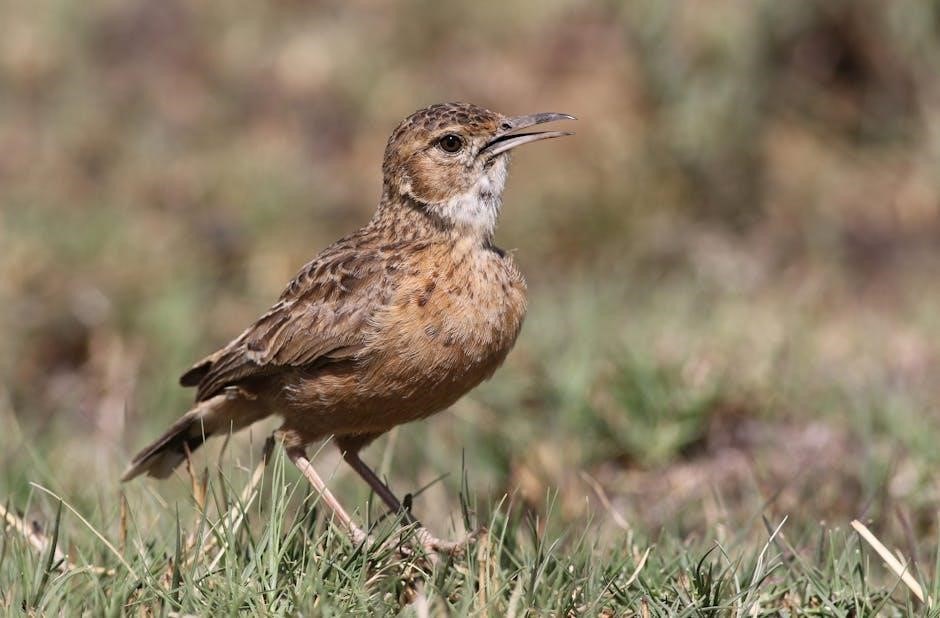
Accurate bird identification hinges on observing plumage, size, shape, and behavior; these crucial characteristics, combined with habitat knowledge, unlock avian mysteries.
Plumage Variations
Bird plumage exhibits remarkable diversity, influenced by factors like age, sex, season, and geographic location; understanding these variations is vital for accurate identification.
Immature birds often display different plumage than adults, featuring mottled or duller coloration, lacking the vibrant hues of their breeding counterparts.
Sexual dimorphism, where males and females differ in appearance, is common, with males frequently possessing brighter or more elaborate plumage to attract mates.
Seasonal molts result in plumage changes; breeding plumage is often more striking, while non-breeding plumage provides better camouflage.
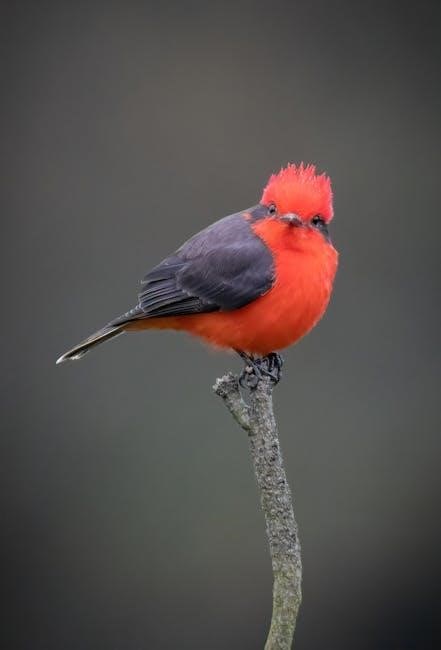
Color phases, like dark and light morphs, can occur within a species, adding complexity to identification efforts, particularly in raptors.
Careful observation of plumage details – patterns, streaks, spots, and edges – is essential for distinguishing similar species in Montana’s varied habitats.
Size and Shape
Assessing a bird’s size and shape provides crucial initial clues for identification, often narrowing down possibilities before examining plumage details.
Consider overall length, wingspan, and body build – is the bird compact, slender, or robust? Comparing it to familiar species aids estimation.
Bill shape is particularly informative; short and conical bills indicate seed-eaters, while long, decurved bills suggest nectar feeders or probing for insects.
Leg length influences foraging behavior; long legs are typical of wading birds, while short legs suit ground-dwelling species in Montana.
Wing shape impacts flight style; pointed wings are efficient for long-distance migration, rounded wings provide maneuverability in forests.
Tail shape also varies; forked tails aid aerial agility, square tails offer stability, and pointed tails assist steering during flight.
Behavioral Clues
Observing a bird’s behavior offers valuable insights beyond physical characteristics, aiding accurate identification in Montana’s diverse habitats.
Foraging methods are telling; does the bird glean insects from leaves, probe for invertebrates in mud, or hawk for prey from above?
Flight patterns are distinctive; undulating flight suggests some songbirds, while soaring indicates raptors utilizing thermal updrafts.
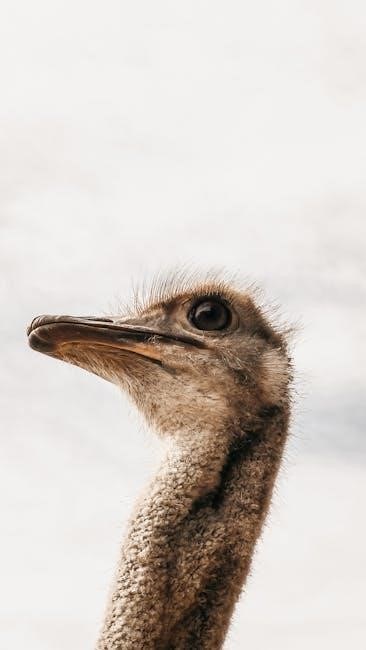
Social behavior provides clues; is the bird solitary, found in pairs, or part of a larger flock? Some species are highly gregarious.
Listen for vocalizations – songs and calls are often species-specific and can confirm visual identifications, even when obscured.
Note habitat preferences; certain species consistently occupy specific environments, narrowing down possibilities based on location.

Habitat and Distribution
Montana’s varied ecosystems – forests, grasslands, and wetlands – dictate bird distribution, influencing where specific species thrive and breed throughout the state.
Montane Forests
Montana’s montane forests, stretching across the mountainous regions, provide crucial habitat for a diverse range of bird species adapted to higher elevations and coniferous landscapes.
These forests, dominated by lodgepole pine, Douglas fir, and Engelmann spruce, support birds like the Clark’s Nutcracker, known for caching seeds, and the Mountain Chickadee, a common resident.
Look for the Olive-sided Flycatcher during summer breeding season, perched on exposed branches, and listen for the haunting call of the Hermit Thrush echoing through the trees.
Higher elevations harbor species like the Rosy-Finches, adapted to harsh alpine conditions, while lower forest edges attract warblers and vireos during migration.
Understanding forest structure – canopy height, understory density – is key to locating specific birds within this complex habitat, offering rewarding observations for dedicated birders.
Grasslands and Prairies
Montana’s expansive grasslands and prairies represent a vital ecosystem for numerous bird species, particularly those adapted to open landscapes and ground-nesting habits.
These areas support a rich diversity of grassland birds, including the Western Meadowlark, renowned for its melodious song, and the Chestnut-collared Longspur, a subtle but charming resident.
Sharp-tailed Grouse perform elaborate courtship displays on leks during spring, while Northern Harriers soar low over the fields, hunting for prey.
Burrowing Owls utilize prairie dog towns for nesting and shelter, and various sparrow species, like the Vesper Sparrow, thrive in the grassy vegetation.
Conservation of these habitats is crucial, as grassland birds face significant challenges from habitat loss and fragmentation, demanding focused preservation efforts.
Wetlands and Riparian Areas
Montana’s wetlands and riparian zones – the lands alongside rivers and streams – are biodiversity hotspots, attracting a wide array of birdlife dependent on these aquatic and semi-aquatic environments.
These areas provide essential breeding, foraging, and migratory stopover habitats for waterfowl, shorebirds, and various songbirds.
Great Blue Herons patiently stalk fish in shallow waters, while American White Pelicans gather in colonies along larger rivers and lakes.
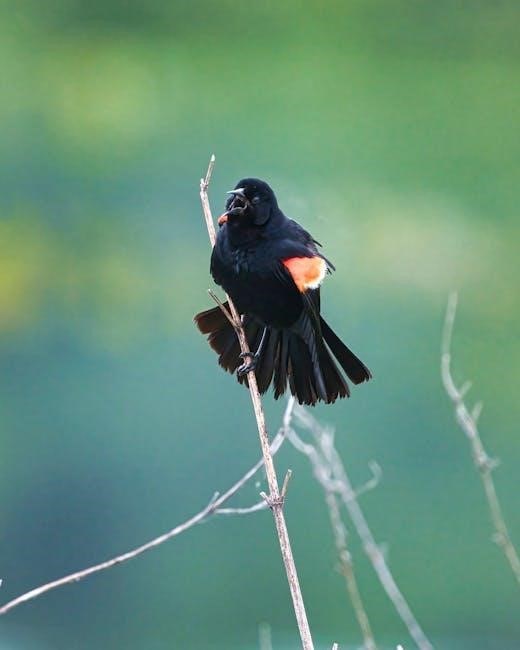
Red-winged Blackbirds dominate the cattail marshes with their distinctive calls, and Marsh Wrens flit amongst the reeds, constructing intricate nests.
Protecting these fragile ecosystems is paramount, as they face threats from development, pollution, and altered water flows, impacting the birds that rely on them.
Seasonal Birding in Montana
Montana experiences dynamic shifts in birdlife throughout the year, offering unique viewing opportunities with spring migration, summer breeding, and fall/winter visitors.
Spring Migration
Spring in Montana witnesses a spectacular influx of birds returning from their southern wintering grounds, typically peaking from late March through May.
Waterfowl, like ducks and geese, are among the first to arrive, utilizing wetlands and rivers as crucial stopover points during their long journeys northward.
Passerines, or perching birds, follow closely behind, filling the landscape with vibrant songs as they establish breeding territories.
Key species to observe during spring migration include warblers, vireos, flycatchers, and thrushes, often spotted in riparian areas and montane forests.
Birders should focus on areas near water sources and along migration corridors, utilizing binoculars and field guides to identify these transient visitors.
The timing of peak migration can vary depending on weather patterns and elevation, making consistent observation essential for maximizing sightings.
Early mornings often provide the best viewing opportunities, as birds are actively foraging and establishing territories before the day heats up.
Summer Breeding Season
Montana’s summer months, from June to August, represent the peak of the breeding season for most bird species, a time of intense activity and parental care.
Birds establish territories, construct nests, and raise their young, offering unique opportunities for observation and study of avian behavior.
Many species, including raptors and waterfowl, exhibit strong site fidelity, returning to the same breeding grounds year after year.
Observing nesting behaviors requires a respectful distance to avoid disturbance, ensuring the success of breeding attempts.
Common breeding birds include Western Meadowlarks in grasslands, Clark’s Nutcrackers in montane forests, and various songbirds in riparian habitats.
This is an ideal time to study plumage variations between adults and juveniles, as well as observe fledglings learning to fly.
Monitoring nest boxes and participating in citizen science projects can contribute valuable data to bird conservation efforts.
Fall Migration and Wintering Birds
As Montana’s summer fades, fall migration commences, transforming the landscape with waves of departing birds heading south for warmer climates.
September and October witness peak migration activity, offering opportunities to observe diverse species passing through the state, often in large flocks.
Waterfowl, shorebirds, and raptors are particularly noticeable during this period, utilizing key staging areas for rest and refueling.
Wintering birds, adapted to colder conditions, arrive from northern regions, seeking refuge in Montana’s varied habitats.
Species like Rough-legged Hawks, Snow Buntings, and Common Goldeneyes become common sights in open fields and along waterways.
Identifying winter plumages can be challenging, requiring careful attention to subtle differences in coloration and markings.
Providing supplemental food and water can aid birds during harsh winter months, but should be done responsibly to avoid dependency.
Resources for Montana Birders
Montana birders benefit from organizations like the Audubon Society, online identification tools, and the Montana Bird Records Committee for valuable support.
Montana Audubon Society
The Montana Audubon Society stands as a pivotal conservation organization dedicated to protecting birds, other wildlife, and their habitats throughout the state.
Through a network of local chapters, Montana Audubon actively engages in bird monitoring programs, habitat restoration projects, and educational initiatives for communities.
Members receive access to exclusive birding events, workshops led by experienced ornithologists, and the latest research findings concerning Montana’s avian populations.
The Society advocates for responsible land management practices, working with policymakers to ensure the long-term health of ecosystems vital to bird survival.
Their website, montanaaudubon.org, provides a wealth of resources, including bird checklists, conservation alerts, and information on how to get involved in local chapter activities.
Supporting Montana Audubon directly contributes to the preservation of the state’s incredible bird diversity for future generations of birders and nature enthusiasts.
Online Bird Identification Tools
Numerous online resources significantly aid in bird identification, complementing traditional field guides for Montana birders of all skill levels.
The Cornell Lab of Ornithology’s All About Birds website (allaboutbirds.org) offers comprehensive species accounts, including detailed descriptions, audio recordings, and range maps.
Audubon’s Guide to North American Birds (audubon.org/bird-guide) provides a searchable database with high-quality photographs and identification tips, tailored for regional variations.
eBird (ebird.org), also from the Cornell Lab, allows users to record sightings, explore distribution maps, and access real-time data on bird occurrences in Montana.
Merlin Bird ID, a free mobile app, utilizes image and sound recognition to suggest potential matches based on user-submitted observations.
These digital tools enhance the birding experience, fostering a deeper understanding and appreciation for Montana’s diverse avian community.

Montana Bird Records Committee
The Montana Bird Records Committee (MBRC) plays a crucial role in maintaining the official state bird list and documenting rare or unusual sightings across Montana.
This committee, comprised of experienced birders, rigorously evaluates submitted observations, requiring detailed documentation – including photographs, videos, and written descriptions.
MBRC’s primary function is to assess the validity of reports concerning species not previously recorded in Montana, or those occurring outside their typical range.
Accepted records contribute to a more accurate understanding of Montana’s avian distribution and inform conservation efforts.
Birders encountering exceptionally rare birds are encouraged to submit detailed reports to the MBRC for review, following established guidelines available online.
The committee’s work ensures the integrity of the state’s bird records, benefiting both scientific research and the broader birding community.