cells alive worksheet answer key pdf
Overview of Cells Alive Worksheets
Students use the worksheet to compare animal and plant cells, identify organelles, and answer short questions. The answer key is provided in a pdf format, offering step‑by‑step solutions and explanations for each item. Adapt questions for various grade levels, aligning with curriculumfull standards.!
1.1 What Is a Cells Alive Worksheet?
A Cells Alive Worksheet is an interactive learning tool that guides students through the structure and function of animal and plant cells. The worksheet presents a series of questions—multiple choice, short answer, and diagram labeling—that require students to identify key organelles, describe their roles, and compare cellular components across kingdoms. The accompanying answer key, available in pdf format, provides detailed explanations, correct responses, and reference images, allowing teachers to assess student understanding quickly and accurately. By integrating visual models and textual prompts, the worksheet encourages active engagement and reinforces core biology concepts such as cellular respiration, photosynthesis, and membrane transport. The pdf answer key also includes a brief summary of each organelle’s function, making it a valuable resource for both classroom instruction and independent study. The format supports differentiated learning, as students can work at their own pace and revisit the key for clarification. Overall, the Cells Alive Worksheet and its pdf answer key serve as a comprehensive resource for teaching and mastering the fundamentals of cell biology.
Teachers can adapt the worksheet for online platforms, embedding interactive quizzes that auto‑grade responses. The pdf answer key supports quick feedback, enabling formative assessment during lessons. Students may use the key to self‑check and deepen their understanding of cellular biology!.
1.2 Historical Context and Evolution
Since the early 1990s, biology educators have sought dynamic ways to illustrate cellular structures beyond static textbook illustrations. The first generation of “Cells Alive” worksheets emerged in the late 1990s, incorporating hand‑drawn diagrams and basic labeling exercises that encouraged students to identify organelles such as the nucleus, mitochondria, chloroplasts, and cell walls. As digital technology advanced, these worksheets evolved into interactive formats that allowed students to manipulate virtual cell models, rotate organelles, and observe real‑time changes in cellular processes. The transition from paper to digital was driven by the need for more engaging, multimodal learning experiences that could accommodate diverse learning styles and provide instant feedback. By the early 2000s, many schools began to adopt the pdf version of the answer key, which offered a standardized reference for teachers and students alike. This pdf format ensured that the key was accessible across different operating systems and could be printed or viewed on mobile devices, thereby increasing its utility in both classroom and remote learning settings. The evolution continued with the integration of multimedia elements such as short videos, animations, and quizzes embedded within the worksheet, further enhancing the interactive experience. Today’s “Cells Alive” worksheets represent a culmination of decades of pedagogical research, technological innovation, and user feedback, offering a comprehensive, scalable resource that supports inquiry‑based learning and aligns with contemporary curriculum standards. Furthermore, educators have leveraged the pdf answer key to conduct formative assessments, track student progress, and tailor subsequent lessons to address misconceptions identified through the worksheet responses. The key’s detailed explanations also serve as a reference for students preparing for standardized exams, ensuring they grasp both the conceptual and procedural aspects of cell biology.
PDF Availability and Download Options
The answer key pdf can be downloaded from the official Cells Alive site and other educational portals. It is available in high‑resolution format, suitable for printing or digital use, and works on Windows, macOS, and mobile devices. Students can use the pdf for homework and review sessions. Enjoy!.
2.1 Official Sources for the File
The official answer key pdf for the Cells Alive worksheet is distributed through the primary educational portal of the Cells Alive project, which hosts a dedicated download page for teachers and students. From this page, users can retrieve a clean, unaltered pdf that matches the current version of the worksheet, ensuring that all questions and solutions are synchronized with the latest curriculum updates. In addition to the official site, reputable academic repositories such as Studocu and Course Hero provide verified copies of the pdf, often accompanied by user‑generated annotations that clarify complex concepts. These secondary sources maintain strict copyright compliance, linking back to the original publisher and offering the file in a format that preserves the layout and interactive elements of the worksheet. For educators seeking a reliable, no‑cost resource, the official download link is typically the most secure option, as it guarantees that the pdf has not been modified or corrupted during transfer. When accessing the file from third‑party sites, it is advisable to scan the document with a trusted antivirus program and to verify the file size against the official version to confirm authenticity. By using these vetted sources, teachers can confidently incorporate the answer key pdf into lesson plans, ensuring that students receive accurate, up‑to‑date guidance for each worksheet activity. Download links are available in PDF format, making it to print or embed the worksheet in digital new lesson plans.
2.2 Compatibility and Accessibility
Core Content of the Worksheets
The pdf answer key outlines core content: detailed diagrams of animal and plant cells, organelle functions, comparative tables, and question prompts. It covers cell structure, membrane transport, and energy processes, enabling students to annotate and analyze key differences. Students review fast!?
3.1 Animal Cell Models and Key Organelle Functions
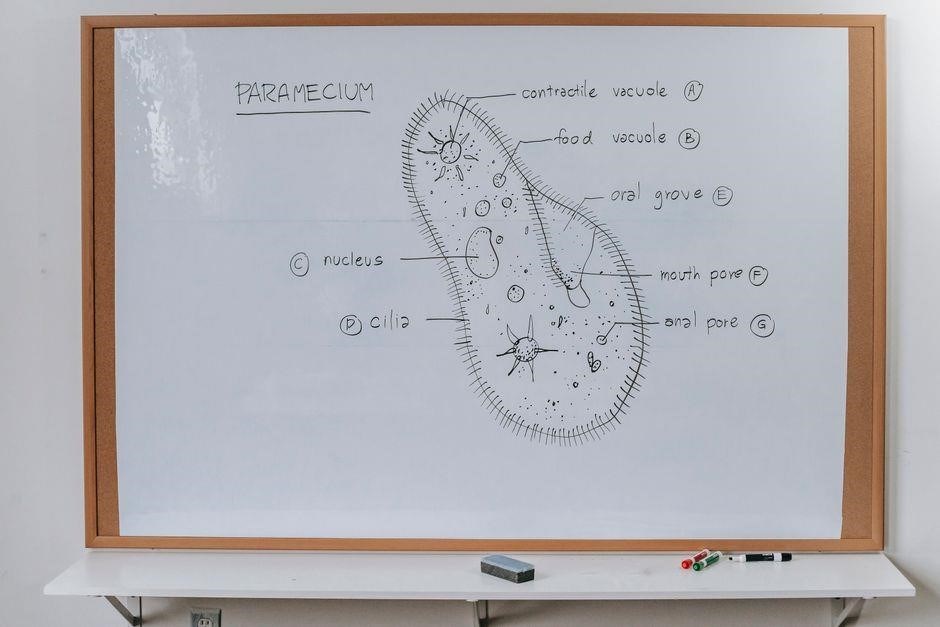
The pdf answer key for the Cells Alive worksheet presents a comprehensive overview of animal cell models. It begins with a detailed diagram of a typical animal cell, highlighting the plasma membrane, cytoplasm, nucleus, mitochondria, endoplasmic reticulum, Golgi apparatus, lysosomes, ribosomes, and cytoskeleton. Each organelle is labeled and accompanied by a concise description of its primary function. The key explains how the plasma membrane regulates selective permeability, allowing essential ions and molecules to enter or exit the cell while maintaining homeostasis. Cytoplasm is described as a gel-like matrix that houses organelles and facilitates intracellular transport via cytoplasmic streaming. The nucleus, surrounded by a double‑membrane nuclear envelope, contains genetic material and controls cellular activities through transcription and translation processes. Mitochondria are depicted as the cell’s powerhouses, generating ATP through oxidative phosphorylation. The endoplasmic reticulum is divided into rough ER, studded with ribosomes for protein synthesis, and smooth ER, responsible for lipid metabolism and detoxification. The Golgi apparatus modifies, sorts, and packages proteins for secretion or delivery to other organelles. Lysosomes contain hydrolytic enzymes that break down macromolecules, cellular debris, and foreign pathogens. Ribosomes, either free in the cytoplasm or attached to rough ER, are the sites of polypeptide chain assembly, reinforcing the relationship between structure and function in animal cells. See pdf details!
3.2 Plant Cell Models and Structural Highlights
The pdf answer key for the Cells Alive worksheet offers a detailed plant cell diagram, emphasizing unique structures such as the cell wall, chloroplasts, large central vacuole, and plasmodesmata. The cell wall, composed of cellulose, provides rigidity and protection, while plasmodesmata allow intercellular communication. Chloroplasts are highlighted for their role in photosynthesis, containing thylakoid membranes where light reactions occur and stroma where the Calvin cycle takes place. The central vacuole, occupying up to 90% of the cell volume, maintains turgor pressure, stores nutrients, and degrades waste. The nucleus, surrounded by a nuclear envelope, houses DNA and directs cellular functions. Mitochondria, endoplasmic reticulum, Golgi apparatus, ribosomes, and cytoskeleton are also present, each with distinct functions similar to animal cells. The key explains how these components collaborate to sustain plant life, and provides answer explanations for each labeled organelle. Use pdf for reference!
Additional details in the pdf answer key illustrate the role of plasmodesmata in facilitating plasmatic flow, the importance of the central vacuole in maintaining osmotic balance, and the chloroplast’s thylakoid membrane system. The key also highlights the presence of the cytoskeleton, which supports cell shape and aids in organelle transport. These insights help students connect structure to function in plant cells. See pdf. for help

Students may consult pdf answer key to verify diagram labeling accuracy and clarify organelle functions! pdf!
Answer Key Features and Common Questions
The pdf answer key offers concise explanations for each question, detailing organelle functions, diagram labeling, and multiple‑choice solutions. It highlights common misconceptions, provides step‑by‑step reasoning, and suggests review strategies to reinforce learning.Use pdf to verify answers quick!
4.1 Multiple Choice and Short Answer Formats
In the pdf answer key for the Cells Alive worksheet, each multiple‑choice question is accompanied by a brief justification that explains why the correct option is selected and why the distractors are incorrect. The key also provides short‑answer prompts that require concise definitions of key organelles, such as the mitochondrion, chloroplast, and cell wall, and encourages students to articulate the functional differences between animal and plant cells. For example, a typical question asks, “Which organelle is responsible for photosynthesis?” The answer key states “chloroplast” and adds a note that chlorophyll absorbs red and blue light, converting it to chemical energy. Short‑answer sections often ask students to list three organelles common to both cell types and to describe the role of the vacuole in maintaining turgor pressure. The pdf format allows teachers to quickly copy and paste the solutions into grading sheets, and the embedded hyperlinks to external resources give students additional context. By providing both multiple‑choice explanations and short‑answer guidance, the key supports differentiated instruction and helps students build a deeper conceptual understanding of cell structure and function. The pdf answer key also includes a summary of key concepts, highlighting the role of the nucleus, endoplasmic reticulum, Golgi apparatus, mitochondria, chloroplasts, vacuoles, cell membrane. It emphasizes the differences in cell wall composition between plant and fungal cells, and explains how the presence of chlorophyll enables photosynthesis. The key offers strategies for students to compare and contrast cell types, encouraging thinking reinforcing learning objectives set by curriculum.
4.2 Diagram Labeling and Organelle Identification
The pdf answer key for the Cells Alive worksheet offers a detailed diagram labeling section that guides students through identifying every major organelle in both animal and plant cells. Each labeled point is accompanied by a concise definition and a brief explanation of its function, such as “nucleus – control center” or “chloroplast – site of photosynthesis.” The key includes a color‑coded legend that matches the worksheet’s diagram, allowing teachers to quickly verify student responses. For plant cells, the key highlights the large central vacuole, cell wall, and presence of chloroplasts, while for animal cells it emphasizes the absence of a cell wall and the presence of lysosomes and centrioles. Students are prompted to label the cytoskeleton, ribosomes, and mitochondria, and the pdf provides a “checklist” format that teachers can use to grade accuracy. Additionally, the key offers a short “compare and contrast” prompt that asks students to list at least three organelles shared between the two cell types and to note any differences in structure or function. This approach encourages active engagement and reinforces the learning objectives of the worksheet, ensuring that students not only recognize organelles but also understand their roles within the cell’s overall system. By integrating visual and textual explanations, the diagram labeling section becomes a powerful tool for reinforcing key concepts in a classroom setting, allowing teachers to assess comprehension and address misconceptions promptly. Keep learning!!!
Pedagogical Use and Best Practices
Use the pdf answer key to scaffold lessons, letting students self‑check and discuss organelle functions. Pair students for peer review, then revisit key points. Incorporate quick quizzes and reflection prompts to reinforce learning. Students can then create flashcards from the key, retention so Now!
5.1 Integrating Worksheets into Curriculum
By embedding the pdf answer key within a digital learning platform, educators can track student progress in time identify misconceptions early and tailor subsequent lessons to address gaps ensuring mastery of cellular global concepts across and learners.
5.2 Review Strategies Using the Answer Key
After students complete the Cells Alive worksheet, the pdf answer key becomes a powerful review tool. Teachers can first have learners self‑check answers, encouraging reflection on reasoning before consulting the key. This step promotes metacognition and helps students identify specific misconceptions about organelle functions or cell structure. Next, a guided discussion can be held where the teacher highlights common errors noted in the key, such as confusing the vacuole with the lysosome or mislabeling the chloroplast in plant cells. By comparing student responses with the pdf, educators can pinpoint patterns and adjust future instruction. For deeper engagement, students can be asked to annotate the pdf with explanations for each correct answer, fostering active learning. Finally, the answer key can serve as a formative assessment; scores from the key can be used to inform individualized feedback or to group students for targeted reteaching sessions. Incorporating the pdf into a flipped‑class model also allows learners to review the key at home, reinforcing concepts before class activities. Teachers can also use the pdf answer key as a resource for formative assessment, providing students with instant feedback and encouraging self‑assessment practices that align with national science standards, thereby enhancing mastery of cellular concepts and fostering a deeper understanding of the dynamic nature of life at the microscopic level and inquiry. and practice.!